
Mpox (formerly known as monkeypox) is a rare viral infection that has seen outbreaks in multiple countries. It spreads through close contact and causes flu-like symptoms and skin rashes. Global health agencies are monitoring the situation closely.
Introduction: What’s Behind the Mpox Headlines?
In a post-pandemic world, any mention of a new virus sends ripples of anxiety. The recent mpox outbreak—previously called monkeypox—has done just that. But how serious is the threat? Who’s at risk? And what role do public health and compliance professionals play in the response?
This article breaks down:
- What mpox is and why it’s back in the headlines
- How it spreads and who it affects
- What the latest global health alerts say
- Compliance considerations for healthcare providers
- Answers to common public questions
At Rachel M. Strauss Consulting, we help providers and compliance professionals respond to emerging health crises with clarity, accuracy, and audit-ready action.
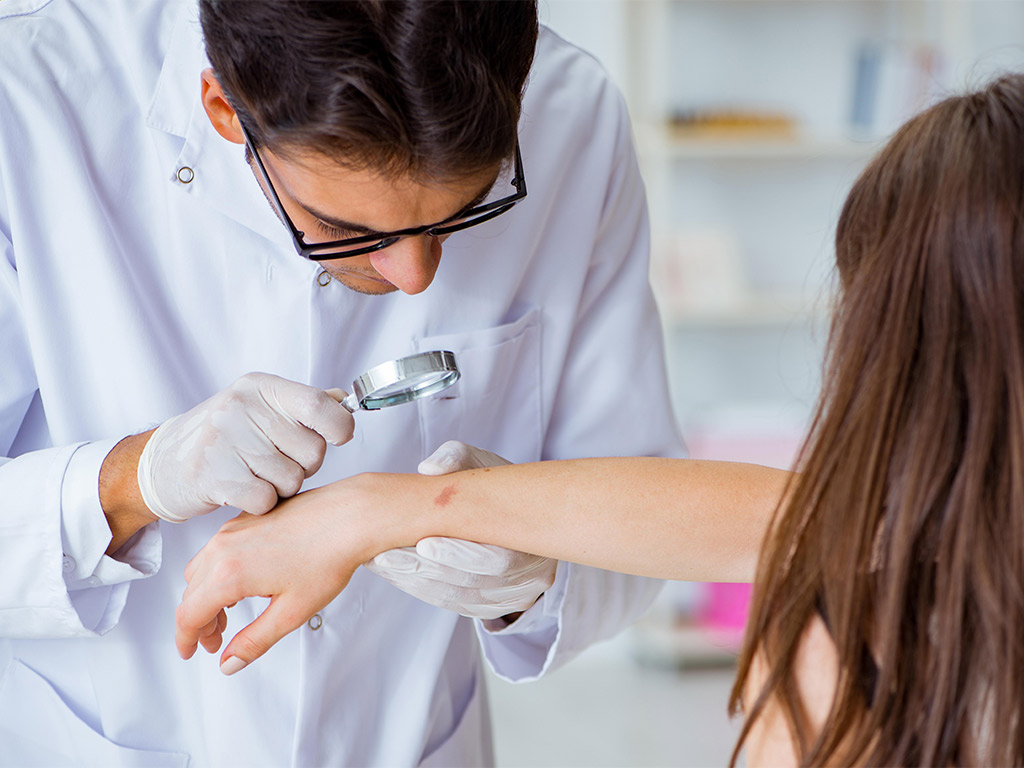
What Is Mpox?
Mpox is a rare, zoonotic viral infection caused by the monkeypox virus, part of the orthopoxvirus family (which also includes smallpox).
Key Symptoms
- Fever, fatigue, and muscle aches
- Swollen lymph nodes
- Skin rash or lesions (often on the face, hands, or genitals)
Severity
Most cases are mild and self-limiting, but complications can occur, especially in immunocompromised individuals or children.
Read more: Networking Tips for HR Managers and Business Owners in the Pharmacy Benefits Space
Why Is Mpox Now a Global Health Alert?
The 2022–2024 outbreaks marked a shift. For the first time, mpox spread widely outside of endemic regions in Central and West Africa.
What’s Different?
- Sustained person-to-person transmission
- Spread via close, prolonged contact (including skin-to-skin, sexual contact, and respiratory droplets)
- Detected in over 110 countries across five continents
The World Health Organization (WHO) declared mpox a Public Health Emergency of International Concern (PHEIC) in 2022.
How Is Mpox Transmitted?
Mpox is not as contagious as COVID-19, but it can still spread through:
- Direct contact with rash, sores, or body fluids
- Respiratory secretions during close contact
- Contaminated surfaces or linens
- Rarely, mother-to-child during pregnancy
It is not airborne in the same way COVID-19 is, but prolonged face-to-face contact can still result in transmission.
Prevention & Control Measures
Public health guidance currently recommends:
- Vaccination: The JYNNEOS vaccine (used for smallpox) is effective for mpox prevention.
- Avoiding close contact with infected individuals
- Proper PPE for healthcare workers
- Prompt case reporting and isolation
Providers should also report suspected cases to local health departments and follow CDC or WHO protocols.
Compliance Considerations for Healthcare Professionals
For clinics, providers, and compliance teams:
- Stay informed on CDC/WHO mpox updates
- Train staff to recognize symptoms and triage cases safely
- Ensure vaccination policies are aligned with health department guidance
- Document encounters properly in case of audit or outbreak tracing
- Implement privacy protocols for infected patients
Rachel M. Strauss Consulting provides support for outbreak protocols, training, and documentation best practices. Schedule your consultation.
FAQ: People Also Ask About Mpox
Is mpox the same as monkeypox?
Yes. “Mpox” is the new preferred term for monkeypox to reduce stigma.
How dangerous is mpox?
Most cases are mild, but severe illness can occur, especially in children and those with weakened immune systems.
Can mpox be spread by touching objects?
Yes, contact with contaminated surfaces like bedding or clothing can transmit the virus.
Is there a treatment for mpox?
Supportive care is standard, but antivirals like tecovirimat (TPOXX) may be used in severe cases.
Who should get the mpox vaccine?
High-risk groups, including those with known exposures or in outbreak regions, are eligible for vaccination.
